


Extending the Gallery Experience
The State Library wanted to deepen the way visitors engaged with its collections while preserving the curatorial intent and visual experience of the galleries.
A connected layer of interpretation created space for more stories, context and collection material, while giving audiences ways to continue exploring beyond the visit.
Across the Gallery Audio Guides and Photographic Galleries, digital spaces provided a way to add depth while keeping the gallery environment considered and uncluttered.
Audio commentary needed a consolidated online home that visitors could access safely from their own devices, while the Photographic Galleries needed an interactive way to reveal additional images, captions and collection detail without filling the walls with information.
The opportunity was to connect the physical visit more closely with the Library’s broader collection, while creating experiences that could continue beyond the gallery.
Connecting the physical exhibition with a richer digital collection experience.
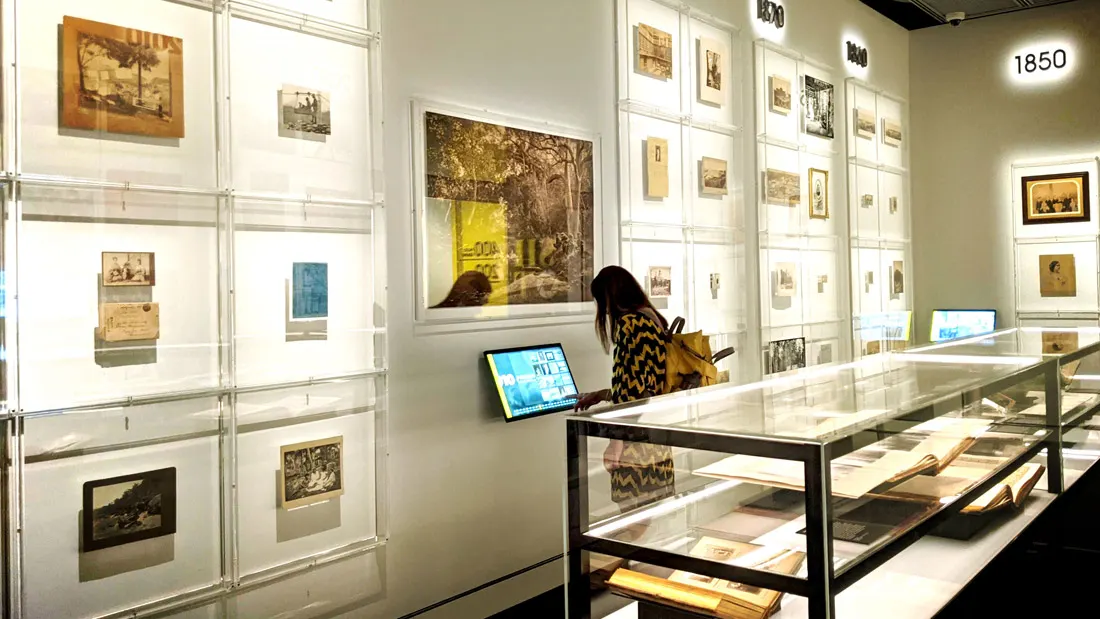
We designed the digital experiences around the way people moved through and engaged with the galleries, giving visitors the choice to explore further when they wanted more context.
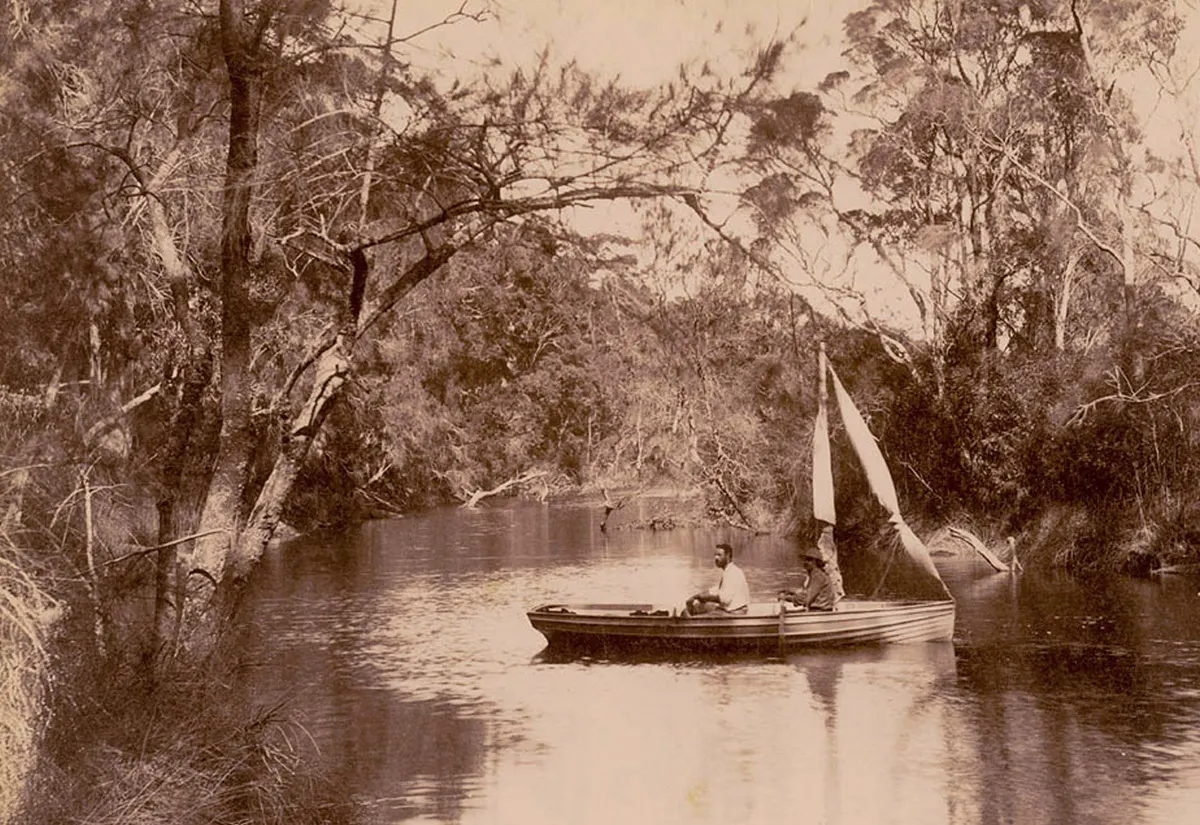
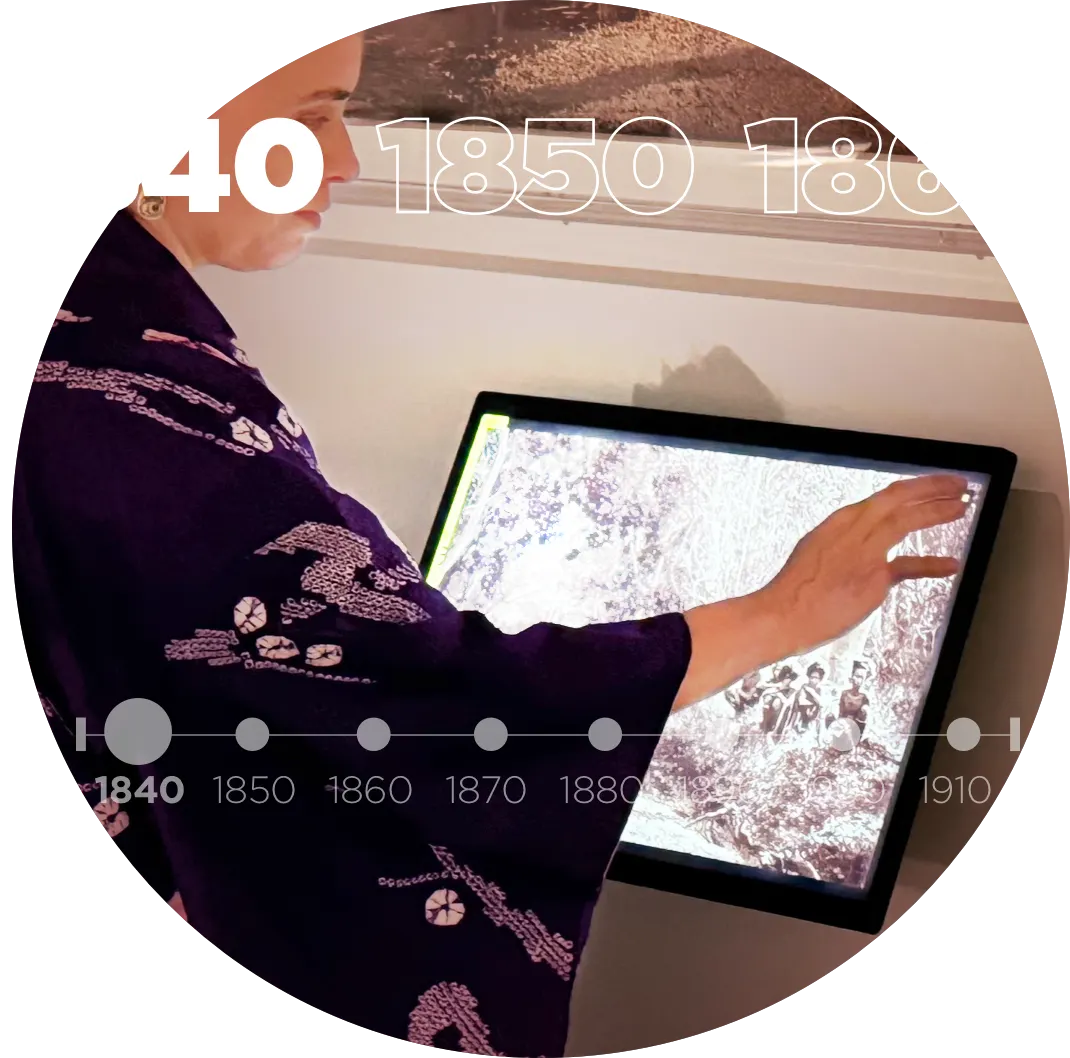
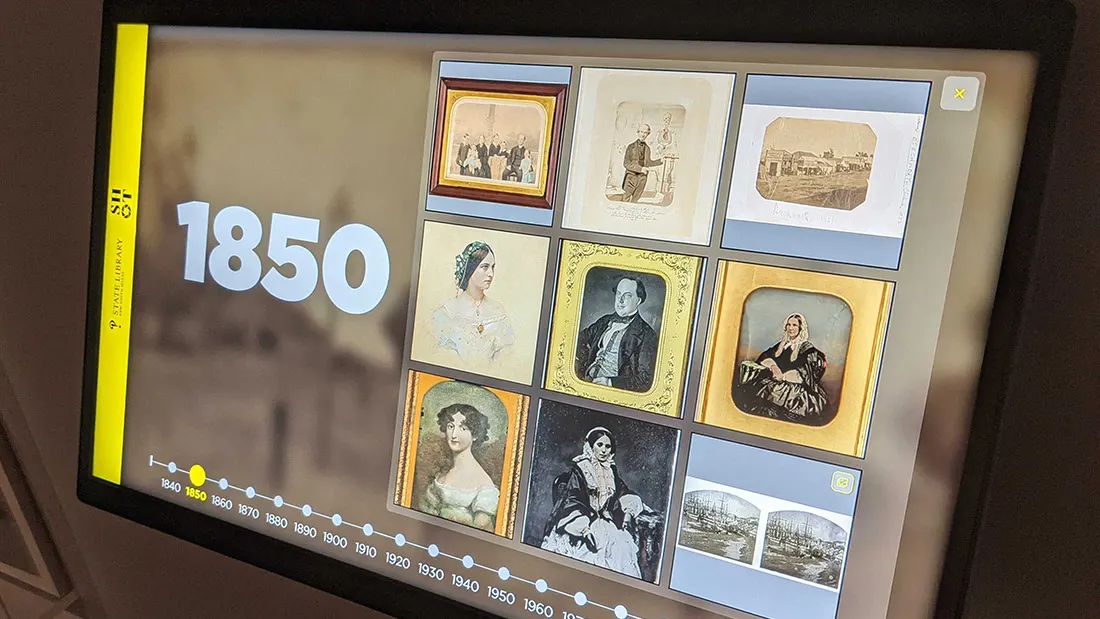
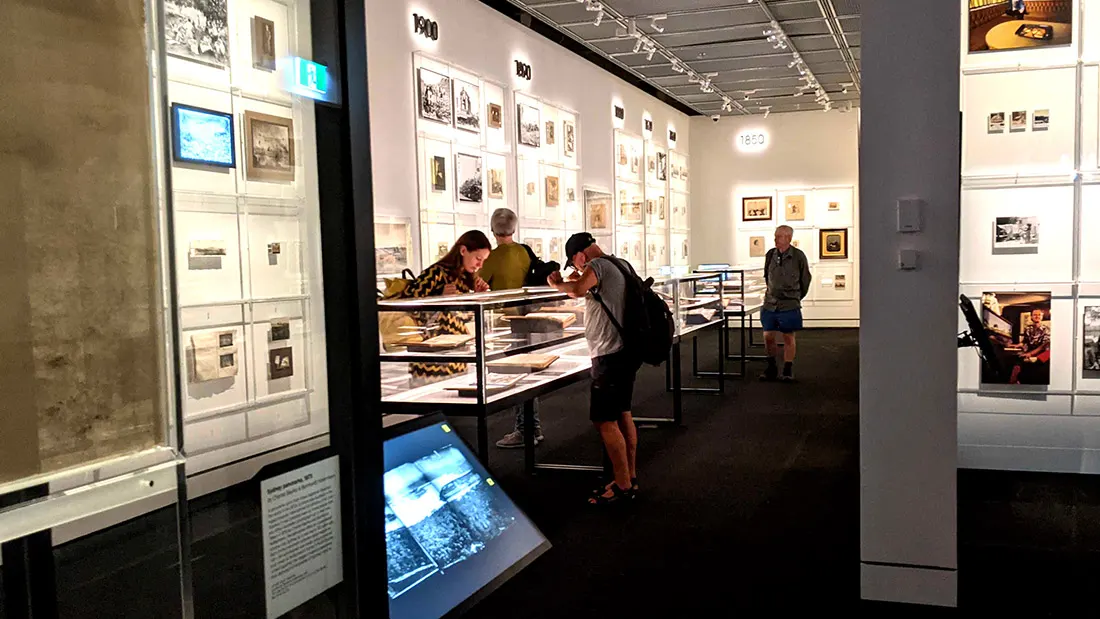
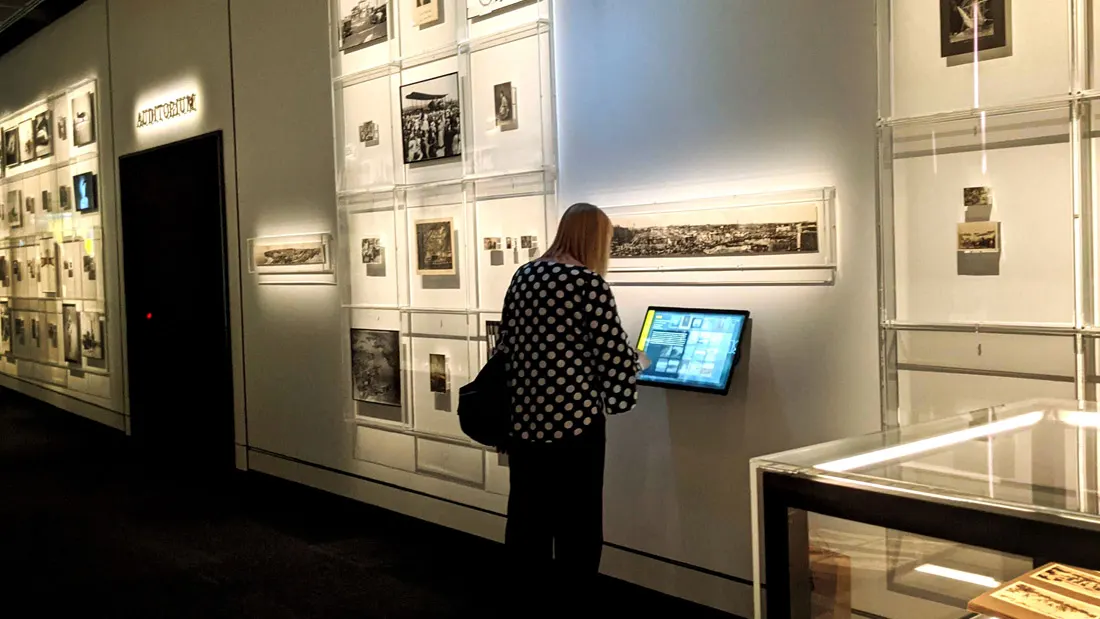
For the Photographic Galleries, touchscreen interfaces complemented the chronological exhibition layout, giving visitors access to 412 photographs spanning nineteen decades, along with extended captions, image details and high-resolution material as well as pathways into the extended SLNSW Collection.
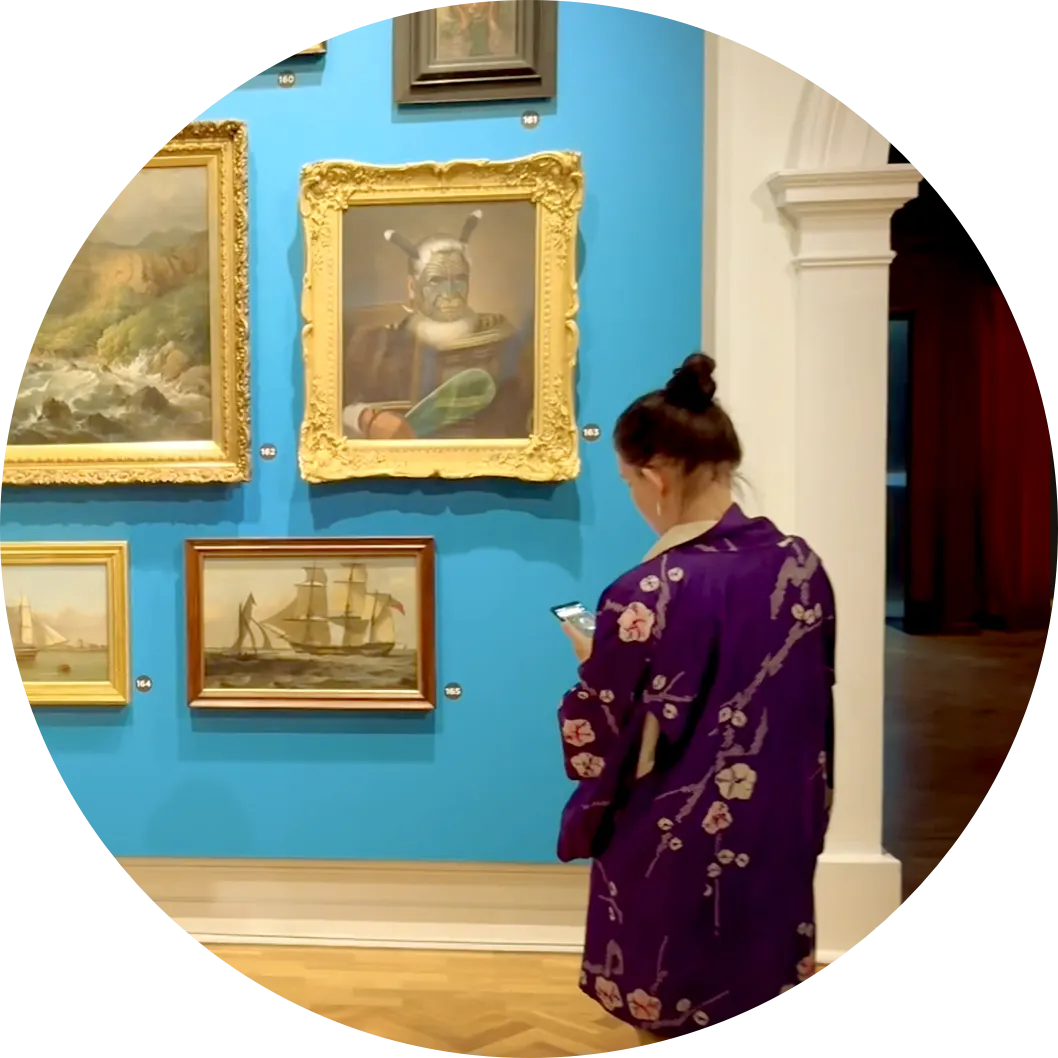
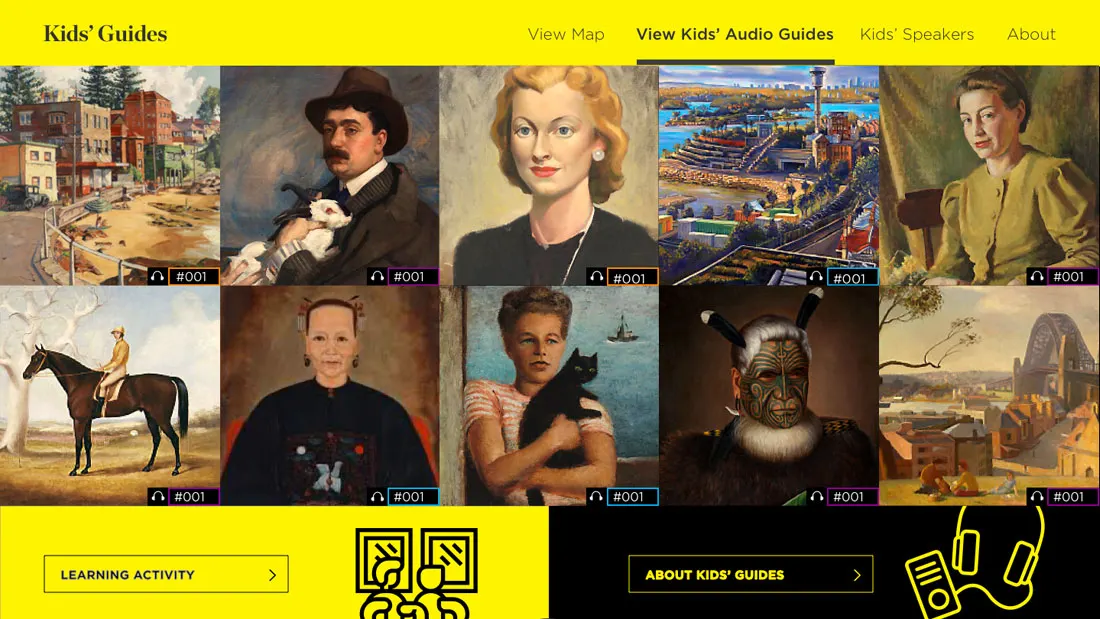
For the Gallery Audio Guides, previously separate audio experiences were brought together into a unified online home, including content created for children and commentary developed by the Library’s curatorial teams. Visitors could access the guides on their own phones or tablets while moving through the galleries.
Both experiences were designed across mobile, kiosk and desktop contexts, allowing the collection to remain accessible after a visit, or to be explored remotely in classrooms and at home.
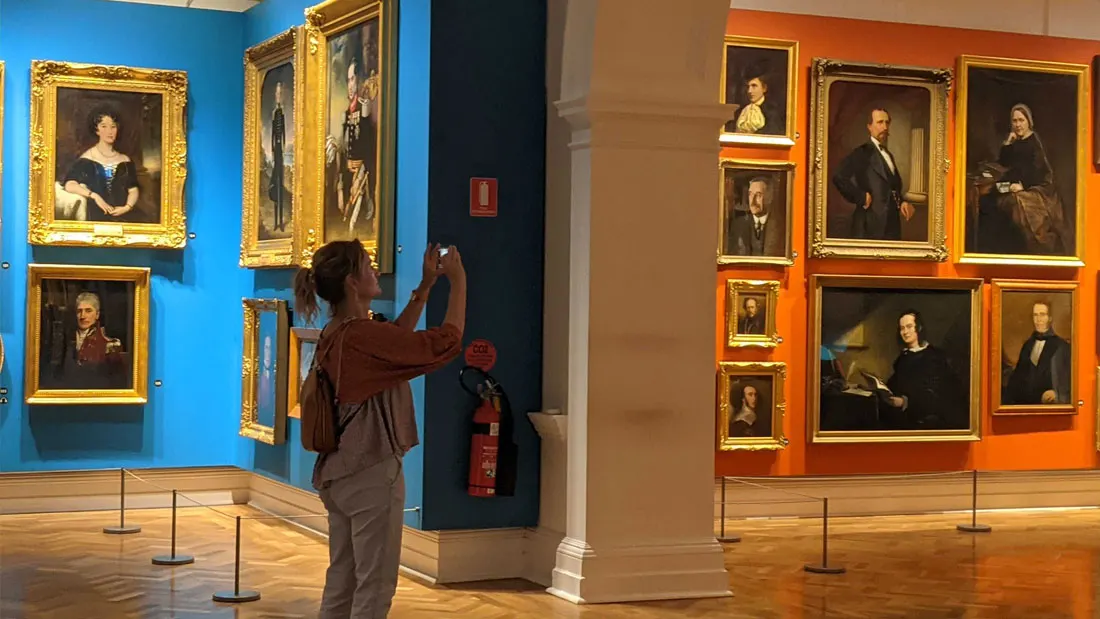
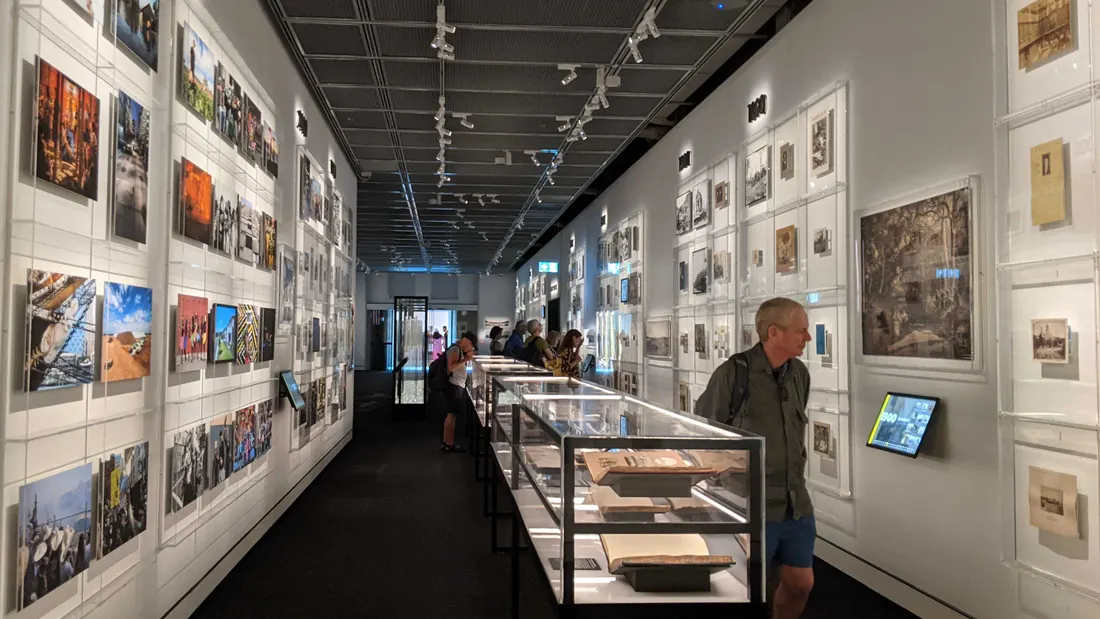
Extending the value of the gallery experience
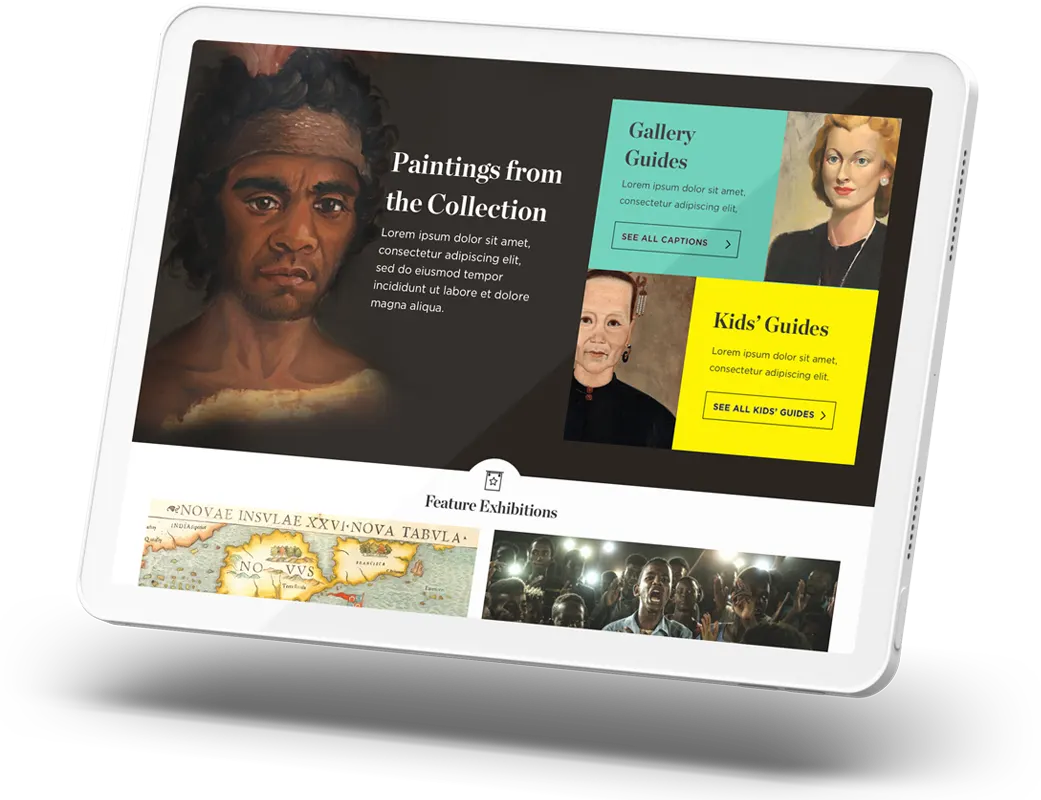

Connected physical exhibitions with richer interpretation and collection content without adding clutter to the gallery environment.

Brought gallery audio and supporting content into a more unified digital experience.

Extended access beyond the physical visit, allowing audiences to explore content onsite, at home and in learning environments.

Created stronger pathways between exhibitions and the Library’s wider collections, encouraging deeper and continued exploration.

Supported the Library’s investment in its renewed gallery spaces with digital experiences designed to increase access and engagement.
engagement
access
Immersive design creates connected communities and cultural spaces.